Dust filter bags also called dust collector bags, serve as highly efficient filtration media and act as one of the core components of baghouse dust collectors.
Manufacturers produce dust filter bags using polyester staple fibers or continuous filaments and apply multi-directional napping during weaving to increase fabric thickness and elasticity.
Moreover, dust filter bags deliver excellent air permeability, high filtration efficiency, easy dust release, and reliable resistance to acids, alkalis, and heat.Primarily, dust filter bags help dust collectors efficiently capture various particulate pollutants generated during industrial production processes.
As a result, industries such as thermal power generation, building materials, steel smelting, waste incineration, chemicals, and glass manufacturing widely adopt these products.Common Dust Filter Bag Materials and Characteristics.
Dust filter bag material classification characteristics
Different flue gas compositions and temperature conditions require filter media with matching performance characteristics.
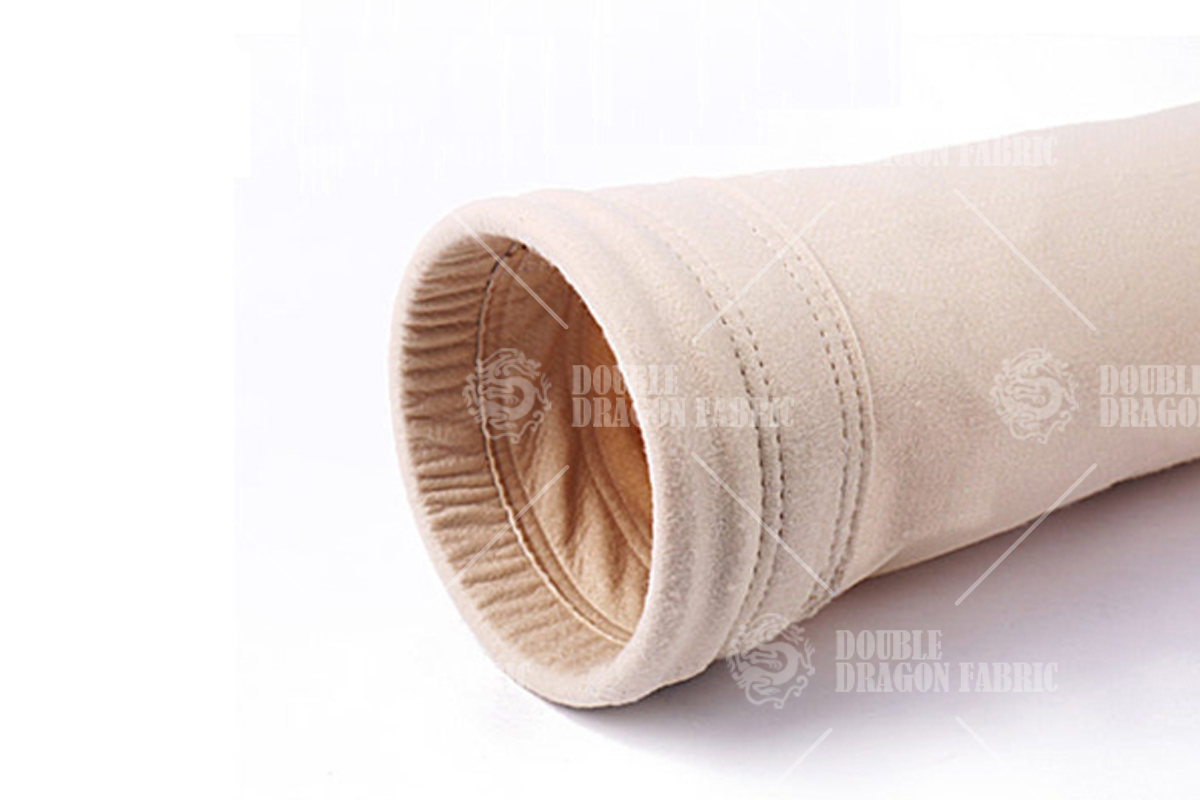
PPS (Polyphenylene Sulfide) Fiber Filter Bags
- Characteristics: Manufacturers form PPS fiber filter bags using three-dimensional needle-punching technology, which provides excellent chemical stability and strength retention.Additionally, PPS fibers operate continuously at temperatures up to approximately 160°C and resist both acids and alkalis effectively.
- Applications: Therefore, PPS filter bags suit coal-fired boilers, power plants, and waste incineration systems, especially in high-sulfur and strongly acidic flue gas environments.
Aramid Fiber Filter Bags
- Characteristics: Aramid filter bags represent a typical high-temperature filtration material with long-term heat resistance up to 204°C and short-term tolerance up to 240°C. Furthermore, aramid fibers offer strong alkali resistance but moderate acid resistance.
- Applications: Consequently, these filter bags handle high-temperature gases between 180°C and 220°C and perform well in steel, cement, power, and chemical industries.
PTFE (Polytetrafluoroethylene) Fiber Filter Bags
- Characteristics: Manufacturers create PTFE filter bags from linear macromolecular fibers using three-dimensional needle-punching, earning PTFE the reputation of “the king of plastics.”Notably, PTFE offers outstanding heat resistance, wear resistance, corrosion resistance, and chemical stability against almost all chemical substances.
- Applications: As a result, PTFE filter bags serve as all-round solutions for harsh conditions in steel, power generation, and waste incineration industries with extremely high durability demands.
Glass Fiber Filter Bags
- Characteristics:
- Glass fiber filter bags provide a well-designed, cost-effective solution for high-temperature filtration applications.
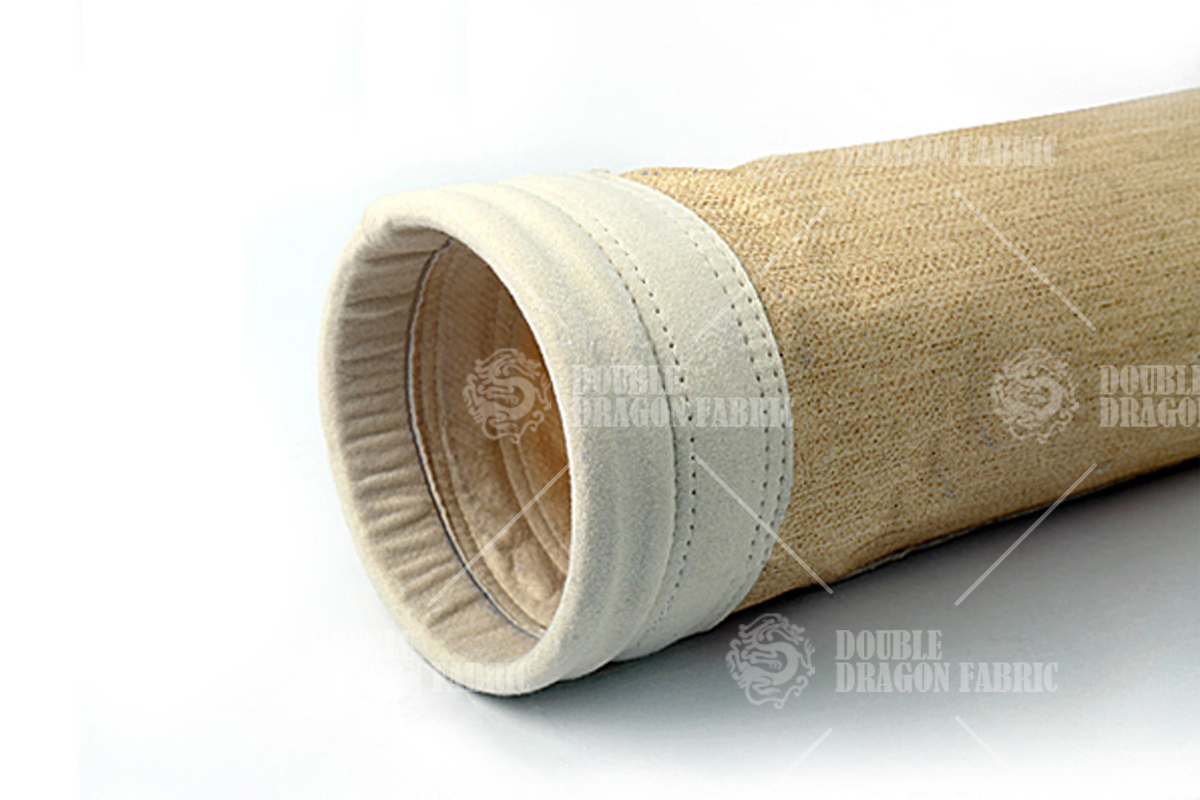
- In addition, they inherit excellent heat resistance, corrosion resistance, dimensional stability, and high mechanical strength.
- Their felt layer features a three-dimensional microporous single-fiber structure with high porosity and low airflow resistance, enabling fast and efficient filtration.
- Applications:Therefore, glass fiber filter bags mainly support gas–solid separation in high-temperature environments such as metallurgy and industrial kilns.
Antistatic Dust Filter Bags
- Characteristics: Manufacturers typically produce antistatic dust filter bags from antistatic polyester needle felt and eliminate static buildup by blending conductive fibers.
- Applications: Accordingly, these bags suit flammable and explosive dust environments, including flour dust, coal dust, and chemical powders.They effectively prevent explosion risks caused by static discharge and ensure safe industrial operation.
Scientific Basis for Dust Filter Bag Selection
Selecting dust filter bags requires a systematic engineering approach rather than a simple purchasing decision.Selection accuracy directly affects filtration efficiency, bag lifespan, and overall operating costs.Generally, engineers evaluate the following three key dimensions.
1. Selection Based on Dust-Laden Gas Properties
Temperature:
- Gas temperature represents the primary threshold for filter media selection.
- Typically, engineers classify filter media into ambient-temperature types below 130°C and high-temperature types above 130°C.
- Therefore, filter media must exceed both operating and peak temperatures while maintaining an adequate safety margin.
Humidity:
- Based on relative humidity, engineers classify gases as dry, normal, or high-humidity conditions.
- High humidity promotes condensation and causes dust caking that blocks filter bags.
- Thus, engineers should select smooth-surface, long-fiber, easy-cleaning media such as nylon or glass fiber.
- Additionally, designers should prefer cylindrical filter bags and avoid compact flat-bag structures.
Chemical Composition:
- Flue gas from kilns and chemical exhaust often contains acids, alkalis, and strong oxidizing components.
- Consequently, selection must consider combined thermal and chemical corrosion effects.
- When necessary, engineers should choose membrane-coated or chemically treated filter media.
2. Selection Based on Dust Properties
Moisture and Adhesion:
- For hygroscopic or damp dust, engineers should select smooth, non-fuzzing filter media.
- For highly adhesive dust, long-filament woven fabrics without surface fuzz provide better performance.
- Overall, nylon and glass fiber demonstrate excellent performance in these conditions.
Abrasiveness:
- Dust with high flowability and friction coefficients causes severe filter bag wear.
- Importantly, irregular and rough particles cause over ten times more wear than smooth spherical particles, especially at larger sizes.
- Therefore, engineers must prioritize highly wear-resistant materials such as PPS, aramid, or glass fiber.
3. Selection Based on Dust Cleaning Method
The cleaning method determines the mechanical stress applied to filter bags and directly influences material selection.
- Mechanical Shaking:This method applies strong forces that may damage fibers, so engineers usually select dense and highly wear-resistant filter media.
- Compartmental Pulse-Jet Cleaning:Currently, this method dominates high-efficiency dust collection systems.Because it applies moderate and uniform cleaning force, it minimizes filter damage.Thus, engineers can select lighter needle-punched felt with better air permeability to reduce operating resistance.
Conclusion
In summary, different dust filter bag materials correspond to different operating conditions.Proper material selection significantly improves filtration efficiency and greatly extends filter bag service life.As a result, companies can effectively reduce maintenance and operating costs.