Dust-filled production lines in coal-fired power plants, steel mills, and cement factories rely on dust filter bags as essential industrial components. These bags form a critical barrier that helps industries reduce air pollution and maintain compliance with environmental regulations.
As the filtration medium that directly contacts dust-laden airflow, the dust filter bag uses its unique material structure and filtering mechanism to capture fine particles efficiently. It intercepts dust generated during industrial processes and ensures that discharged gas meets emission standards.
From ultra-low-emission upgrades in traditional coal-fired power plants to dust-control systems in cement production and closed-system requirements in fine chemical processing, dust filter bags directly influence dust collector efficiency and a company’s environmental performance.
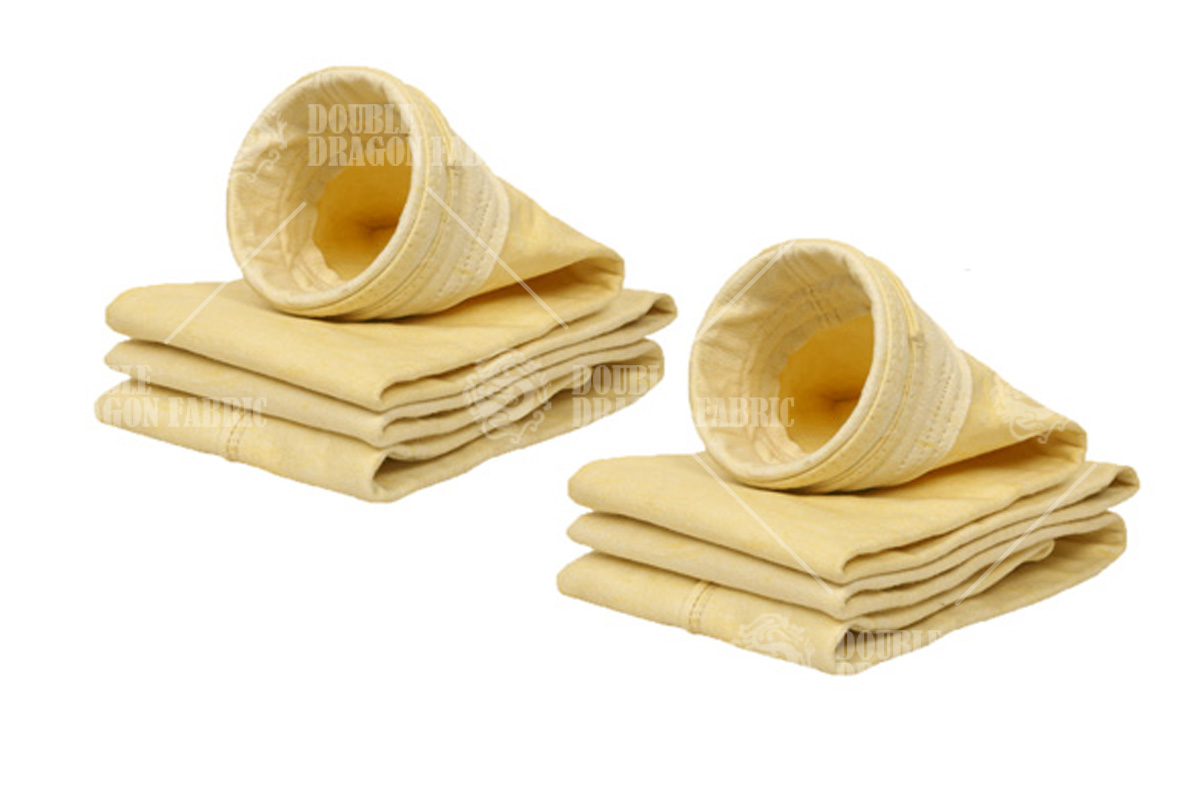
Dust Filter Bags: A Versatile Solution for High-Efficiency Filtration
A dust filter bag—also called a baghouse filter bag—serves as a high-efficiency filtration material designed to capture solid particles suspended in dusty air. It acts as the core element of baghouse dust collectors and handles the primary filtration task. Manufacturers produce the bag using specialized processes that create a flexible filtration medium. Depending on temperature, humidity, and dust chemistry, engineers choose different fibers and weaving styles to create a filtration unit with high strength, strong abrasion resistance, chemical stability, and excellent filtration precision.
Dust filter bags play a vital role in modern industrial dust-control systems by improving air quality and maintaining stable production conditions. As dust-laden air passes through the filtration system, the bags capture particles on their surface while allowing clean air to move through the fabric. The system then removes the accumulated dust through pulse-jet cleaning, reverse-air flow, or mechanical shaking, ensuring continuous filtration performance.
Industries use dust filter bags in a wide range of applications. Coal-fired boilers discharge flue gas rich in fly ash and sulfides; steel plants generate high-temperature dust containing iron oxides and heavy metals; cement kilns and mills release silicate dust; chemical reactors may leak fine corrosive particles. In all these cases, dust filter bags deliver precise, reliable filtration.
Material and Structural Characteristics of Dust Filter Bags
Manufacturers produce dust filter bags from durable materials such as polyester, polypropylene, aramid, PPS, PTFE, and fiberglass. Each medium offers specific resistance to heat, moisture, abrasion, or chemical exposure. Engineers evaluate operating temperature, dust characteristics, and required filtration efficiency to select the most suitable fabric.
High-quality dust filter bags significantly enhance system performance by reducing emissions, minimizing pressure drop, and extending the service life of dust collectors. They also support steady plant operation by preventing blockages, stabilizing airflow, and maintaining low dust levels within production areas.
- Thickness and elasticity:The scrim-raising process increases fabric thickness by 20–30% compared with plain-woven cloth and forms a porous three-dimensional structure. This structure maintains excellent air permeability—with filtration resistance as low as 80–150 Pa—while capturing particles of varying sizes through interlaced fiber gaps.
- Elasticity and strength:Raised fibers bond more tightly and significantly improve tensile strength and deformation resistance. As a result, the filter bag withstands long-term pulse cleaning and high-velocity airflow without tearing.
- Environmental adaptability:Polyester itself resists moderate acid, alkali, and heat, allowing the bag to operate reliably between 80–120°C. For harsher conditions—such as high-temperature flue gas or corrosive dust—engineers can apply PTFE membrane coatings or switch to high-temperature fibers to enhance resistance to corrosion, oxidation, and heat.
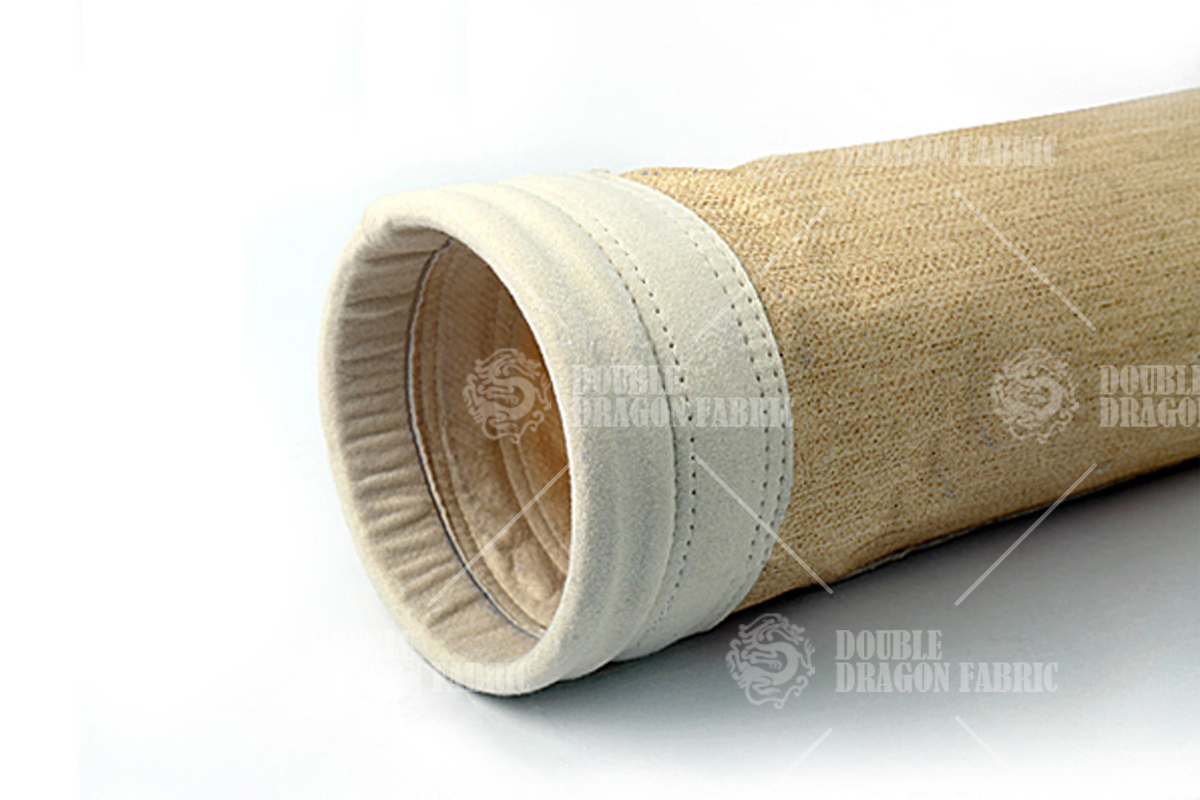
Application Scenarios for Dust Filter Bags
- Coal-fired power generation:Plants use PPS or PTFE filter bags to treat high-temperature, high-humidity flue gas from boilers. These bags withstand 150–200°C and help maintain emissions at 5–10 mg/m³.
- Steel and metallurgy:Sinter machines require basalt-fiber bags that handle temperatures up to 300°C. Blast-furnace gas systems rely on high-strength polyester needle-felt bags, while converters use antistatic bags to manage sparks and hot dust.
- Cement manufacturing:Clinker kiln heads and kiln tails generate high-temperature silicate dust, so operators choose aramid or membrane-coated bags rated for 260°C. Cement mills, which create moist fine dust, require moisture-resistant polyester bags.
- Chemical industry:Reactors release acidic or corrosive vapors, and plants select PTFE bags for maximum chemical resistance. Fertilizer production—such as urea or ammonium phosphate—relies on hydrolysis-resistant bags.
- Other fields:Grain processing uses antistatic bags to prevent dust explosions; wood processing requires flame-retardant bags for sawdust; waste incinerators depend on composite functional bags to control dioxins and heavy metals.
Conclusion
In summary, dust filter bags offer an efficient, reliable, and cost-effective solution for industrial air filtration. Industries such as cement, mining, steel, chemicals, food processing, and power generation rely on dust filter bags to control emissions. These bags help create cleaner workplaces, protect equipment, and ensure that plants meet increasingly strict environmental regulations.