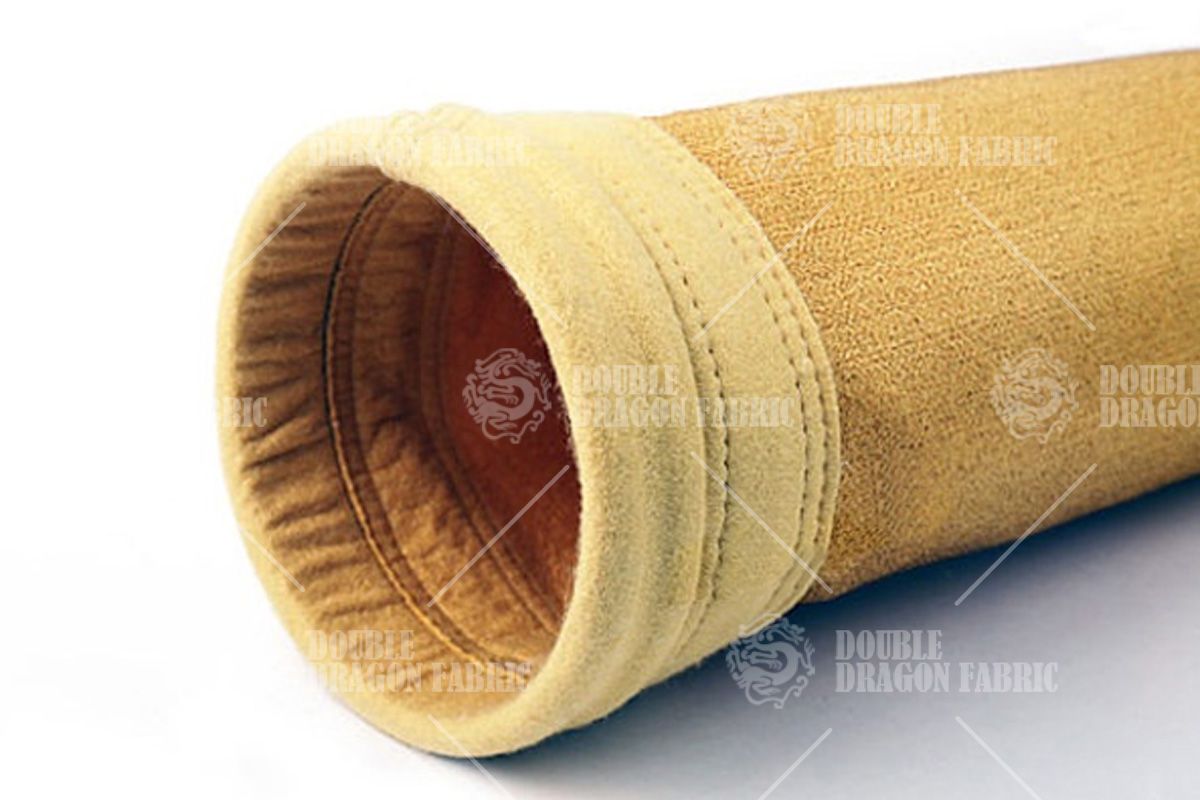
Dust filter bags(also called filter sleeves or baghouse filters) act as thecore filtering element in dust collection systems. Engineers install them inside baghouse dust collectors to capture fine particles from industrial air streams.
In simple terms, theytrap dust and let clean air pass through.As a core component of dust collection systems, dust filter bags play a vital role in capturing fine particles and ensuring clean air output.
Why Regular Maintenance Matters
Regular maintenance ensures stable filtration performance and prevents excessive dust emissions.If filtration velocity is too high, it can damage the initial dust layer on the filter bag.Excessive compressed air pressure during pulse cleaning can also weaken the filter structure.
Overly frequent cleaning cycles may prevent a stable dust cake from forming.Improper installation can further lead to leakage and reduced filtration efficiency.Starting the dust collector below the dew point can cause condensation inside the system.Temperature fluctuations from high to low can also introduce moisture into the airflow.
As a result, moisture may clog the filter bags and restrict airflow.Over time, dust accumulation and mechanical wear will degrade the filter bag material.This degradation reduces filtration efficiency and requires timely maintenance or replacement.
Dust filter bags play a critical role in industrial production and air purification systems.Therefore, proper maintenance directly affects workplace cleanliness and worker health.
Three Key Maintenance Requirements
Requirement 1: Regular Cleaning
Clean dust filter bags regularly to remove accumulated dust and impurities.
This process helps maintain airflow and filtration efficiency.
Remove the filter bags at scheduled intervals and clean them thoroughly.
Replace damaged or heavily contaminated bags when necessary.
Use appropriate cleaning methods and agents to avoid material damage.
Requirement 2: Careful Installation
Install each filter bag correctly to prevent leakage and blockage.
Check whether the bag fits properly into the mounting hole.
Inspect for bending, deformation, or damage before installation.
Adjust or replace defective bags immediately when needed.
Ensure proper fixing methods and correct installation positions.
Requirement 3: Timely Replacement
Replace Dust Filter Bags regularly to avoid failure due to wear or aging.
Determine replacement intervals based on operating conditions and bag lifespan.
Select filter bags that meet performance and quality requirements.
Low-quality bags can reduce efficiency and increase safety risks.
Conclusion
Regular cleaning, precise installation, and timely replacement ensure efficient filter bag performance.Users should develop maintenance plans based on actual operating conditions.
Routine inspection and upkeep can extend service life and improve filtration results.Proper maintenance also helps maintain a clean and safe production environment.
Always follow safety practices to prevent accidents caused by damaged or poorly maintained Dust filter bags.